Surfaces Designed for Year-Round Exposure
Metal Roofing Installation in Hamilton for properties requiring long-term durability, energy efficiency, and resistance to heavy snow loads
Standing seam metal roofs and exposed fastener systems perform differently under the Bitterroot Valley's weather patterns, with each design offering specific advantages for residential and commercial applications. Montana Roof Man installs metal roofing systems in Hamilton that handle snow shedding, thermal expansion, and the ultraviolet exposure that degrades lesser materials over decades. Standing seam systems use concealed clips that allow the metal panels to expand and contract without stressing the fasteners, while exposed fastener roofs rely on weather-tight screws with rubber washers that must be inspected periodically as the washers age.
Installation begins with measuring thermal movement based on panel length and expected temperature range, then positioning clips or fasteners to accommodate expansion without buckling. Custom colors and profiles let you match the building's design intent, though darker colors absorb more heat and expand further than lighter finishes. Energy-efficient metal roofing reflects solar radiation, which reduces cooling costs during summer and minimizes the freeze-thaw cycling that stresses roof structures when snow melts and refreezes at eaves.
Request a consultation to compare standing seam and exposed fastener options based on your building's roof pitch and long-term maintenance preferences.
What Metal Roofing Actually Accomplishes
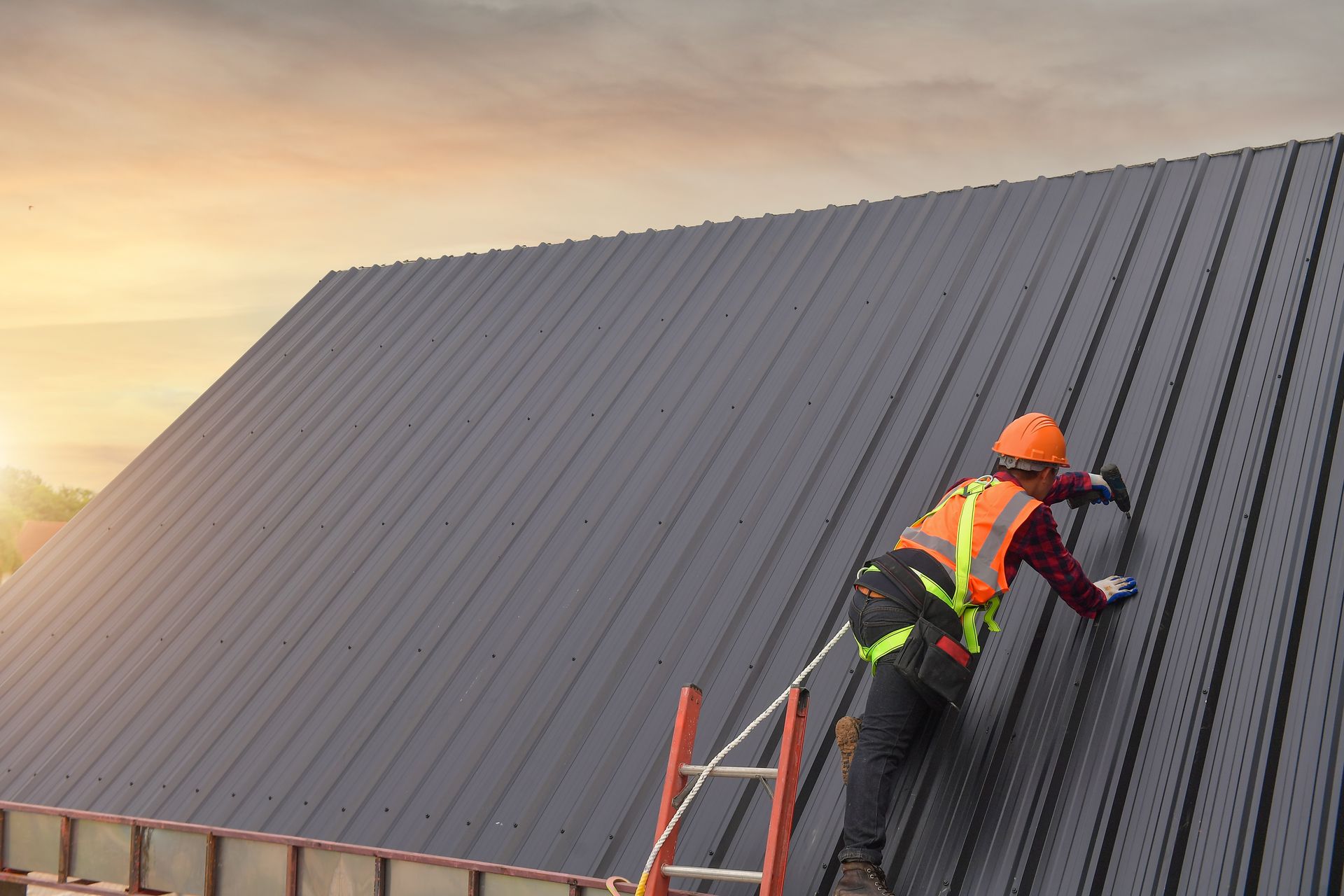
Metal panels interlock along their edges or overlap with sealant, creating a continuous weather barrier that prevents wind-driven rain from penetrating the roof assembly. Snow slides off metal more readily than off asphalt shingles, reducing the load on roof framing during heavy accumulation events common in this region. Properly installed metal roofing lasts fifty years or more because the material doesn't absorb moisture, crack from freeze-thaw cycles, or lose protective coatings the way asphalt granules erode over time.
Once installation is complete, you'll hear rain and hail more distinctly than with asphalt, though insulation and attic space reduce sound transmission into living areas. Panels remain flat without the curling or cupping that signals asphalt shingle failure, and fasteners stay tight because thermal movement is accounted for in the clip spacing. Energy costs drop when reflective coatings reduce attic heat buildup, which also extends the life of HVAC equipment by lowering runtime during peak temperature hours.
Residential applications benefit from the weight savings compared to tile or slate, while commercial properties gain from the low maintenance requirements and the ability to install metal over existing roofing in some situations, reducing tear-off costs. The initial investment exceeds asphalt shingle costs, but the extended lifespan and reduced maintenance needs shift the cost-per-year calculation in metal's favor for properties planned as long-term holdings.
Answers to Frequent Service Questions
Metal roofing brings up specific questions about installation methods, performance characteristics, and how the systems handle local weather conditions.
What is the difference between standing seam and exposed fastener systems?
Standing seam panels use hidden clips that allow for thermal movement without fastener stress, while exposed fastener systems screw directly through the panel into the decking, requiring periodic washer inspections.
How does metal roofing handle snow accumulation in Hamilton?
The smooth surface and thermal conductivity of metal cause snow to slide off more readily than textured asphalt shingles, which can reduce structural load but may require snow guards near entryways.
Why do metal roofs require expansion joints?
Temperature swings in the Bitterroot Valley cause metal panels to expand and contract several inches over a forty-foot run, so fastening systems must accommodate movement to prevent buckling or fastener failure.
What colors and profiles are available for residential installation?
Custom colors range from earth tones to bold reds and blues, with profiles including vertical rib patterns, simulated shake, and low-profile designs that mimic traditional roofing while offering metal's durability.
How long does a metal roof last compared to asphalt shingles?
Metal roofing systems typically last fifty years or more with minimal maintenance, while asphalt shingles generally require replacement every twenty to thirty years depending on exposure and climate conditions.
Montana Roof Man provides detailed material comparisons and estimates that account for your building's specific requirements and long-term performance expectations. Schedule a site visit to review panel options and installation approaches suited to your property's design.