Extending Service Life Without Full Replacement
Roof Coatings & Restoration in Hamilton for commercial buildings with aging but structurally sound roofs showing surface weathering and minor leaks
Commercial roof replacement costs disrupt operating budgets and require business interruptions that most property owners prefer to delay when the roof structure remains sound. Montana Roof Man applies silicone and acrylic coatings to commercial roofs across the Bitterroot Valley, creating seamless protective layers that stop leaks, reflect UV radiation, and add years to roofs that show surface deterioration but retain structural integrity. Coatings work by forming a continuous membrane over existing roofing materials, sealing small cracks and worn seams while providing a fresh weather barrier that withstands Montana's temperature extremes.
The restoration process starts with cleaning the roof surface to remove dirt, algae, and loose material that would prevent coating adhesion. Minor repairs are completed first, addressing active leaks by reinforcing damaged areas with fabric and base coating before the finish coating is applied. Silicone coatings handle ponding water better than acrylics and resist UV degradation without chalking, while acrylic coatings cost less and work well on sloped roofs where water drains quickly. Energy-saving reflective coatings reduce cooling costs by reflecting solar heat rather than absorbing it into the building, lowering roof surface temperatures by thirty degrees or more during summer months.
Schedule a roof evaluation to determine if coating application will extend your roof's service life effectively.
What You Notice Once Roof Restoration Is Finished
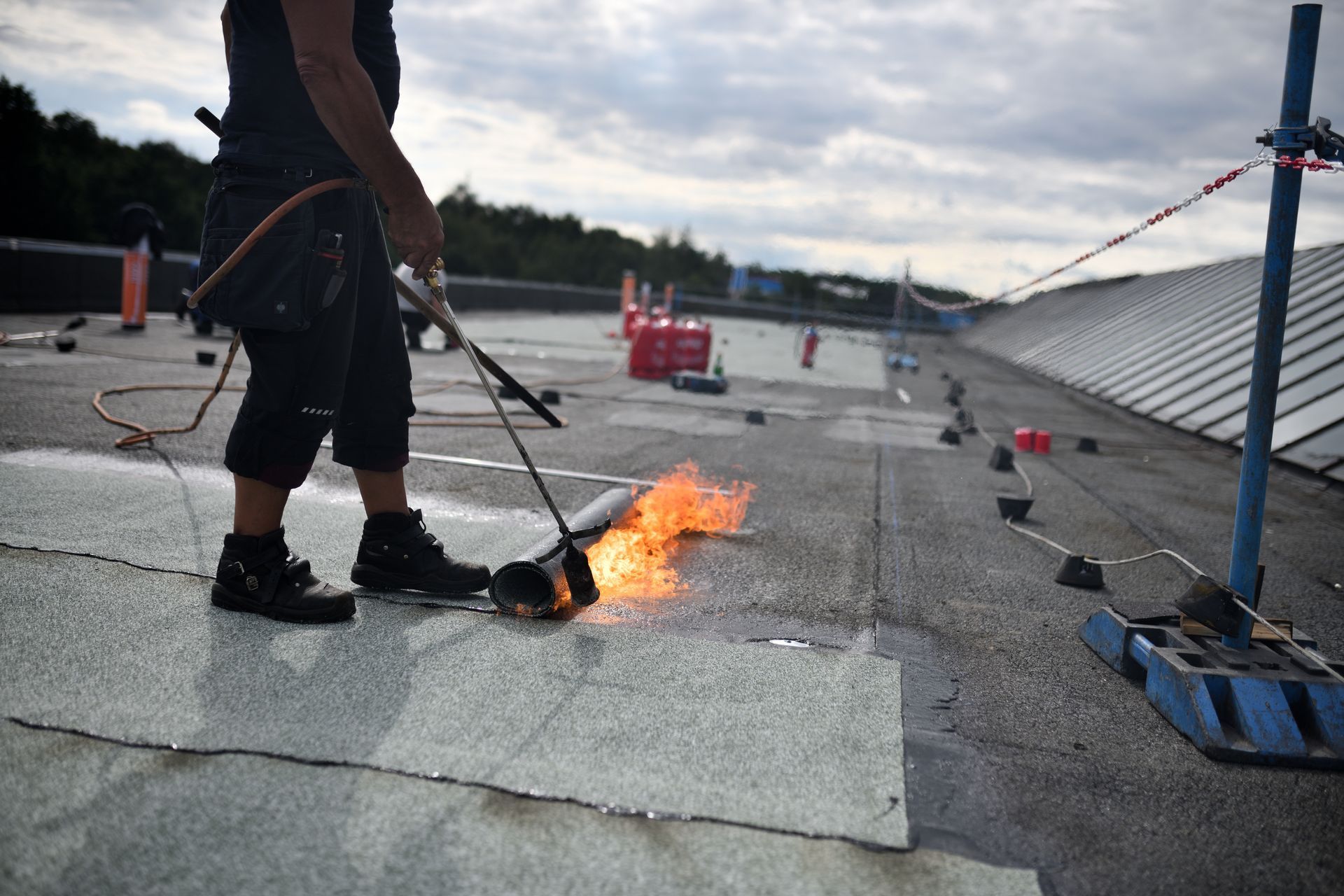
Application involves power washing the existing roof, allowing it to dry completely, then rolling or spraying coating material in multiple passes to achieve the specified thickness. Seams and penetrations receive extra attention, with reinforcing fabric embedded in the coating at these vulnerable points to prevent future cracking. The coating cures into a flexible, monolithic membrane that moves with the roof as temperatures change, preventing the splits and separations that rigid sealants develop over freeze-thaw cycles.
After restoration, the roof surface appears uniform and white or light gray instead of patchy and weathered, and interior leaks that previously occurred during heavy rain stop completely. The coating's reflective surface reduces attic and upper-floor temperatures during summer, decreasing air conditioning load and extending HVAC equipment life. Roof life extension solutions typically add five to ten years of service depending on the condition of the underlying roof and the coating system selected, postponing capital expenditure for full replacement while maintaining weather protection.
Leak prevention systems combine coating application with improved drainage and seam reinforcement to address the root causes of commercial roof failure. UV protection matters particularly in high-altitude locations like Hamilton where solar radiation intensity accelerates roofing material breakdown, and reflective coatings reduce this exposure while simultaneously lowering building cooling costs through solar heat reflection.
Questions Before Starting Your Project
Commercial property owners evaluating
roof coatings need to understand application requirements, performance expectations, and cost comparisons to replacement.
What conditions disqualify a roof from coating restoration?
Roofs with saturated insulation, deteriorated decking, or structural damage need replacement rather than coating, since coatings restore the surface membrane but don't repair underlying rot or failing support structures, and applying coating over wet insulation traps moisture that continues damaging the roof system from beneath.
How do silicone and acrylic coatings differ in performance?
Silicone coatings resist ponding water without breaking down, don't support mold or algae growth, and maintain flexibility across extreme temperatures, while acrylic coatings are more affordable, easier to apply in humid conditions, and better at resisting dirt accumulation, making silicone preferable for flat roofs with drainage issues and acrylic suitable for sloped commercial roofs in the Bitterroot Valley.
What maintenance do coated roofs require?
Coated roofs need periodic inspections to check for punctures or wear in high-traffic areas, occasional cleaning to maintain reflectivity and prevent debris buildup, and minor touch-ups where mechanical damage occurs, but generally require less maintenance than uncoated aging roofs that develop multiple small leaks.
When does coating make financial sense compared to replacement?
Coating typically costs one-third to one-half the price of replacement and makes sense when the existing roof has at least half its original lifespan remaining, shows only surface-level deterioration, and has no moisture trapped in insulation layers, providing cost-effective life extension that delays major capital expenditure.
How much energy savings do reflective coatings provide?
Energy savings depend on roof size, building insulation levels, and cooling system efficiency, but reflective coatings commonly reduce summer cooling costs by ten to twenty percent in commercial buildings by lowering roof surface temperatures and reducing heat transfer into occupied spaces, with payback periods often under five years when combined with extended roof life.
Montana Roof Man assesses your commercial roof's structural condition and surface wear to recommend whether coating restoration will deliver cost-effective life extension or whether underlying damage requires replacement. Arrange an assessment to review coating options and receive a restoration proposal for your property.