
Repairs That Stop Water Where It Enters
Residential Roof Repair in Hamilton for active leaks, missing shingles, or damage from wind and hail
Water stains on ceilings and missing shingles after windstorms signal roof damage that worsens with each additional weather event. Montana Roof Man addresses residential roof repair in Hamilton and the Bitterroot Valley by locating the exact entry point, replacing damaged materials, and sealing vulnerable areas before water reaches the interior. Leak detection involves tracing water paths backward from the stain to the roof penetration or damaged flashing where moisture first enters, which is rarely directly above the visible damage inside.
Repairs typically involve replacing sections of shingles, resealing flashing around chimneys and vent pipes, or addressing underlayment failures in areas where ice dams have forced water under the shingle line. Fast response times matter because small leaks spread to larger areas of decking and insulation once moisture enters the roof assembly. Storm damage in the Bitterroot Valley often includes wind uplift that breaks the sealant bond on shingles or hail impacts that crack the protective granule layer, leaving the asphalt mat exposed to UV degradation.
Arrange an inspection to identify the source of active leaks and assess whether localized repair or broader shingle replacement is needed.
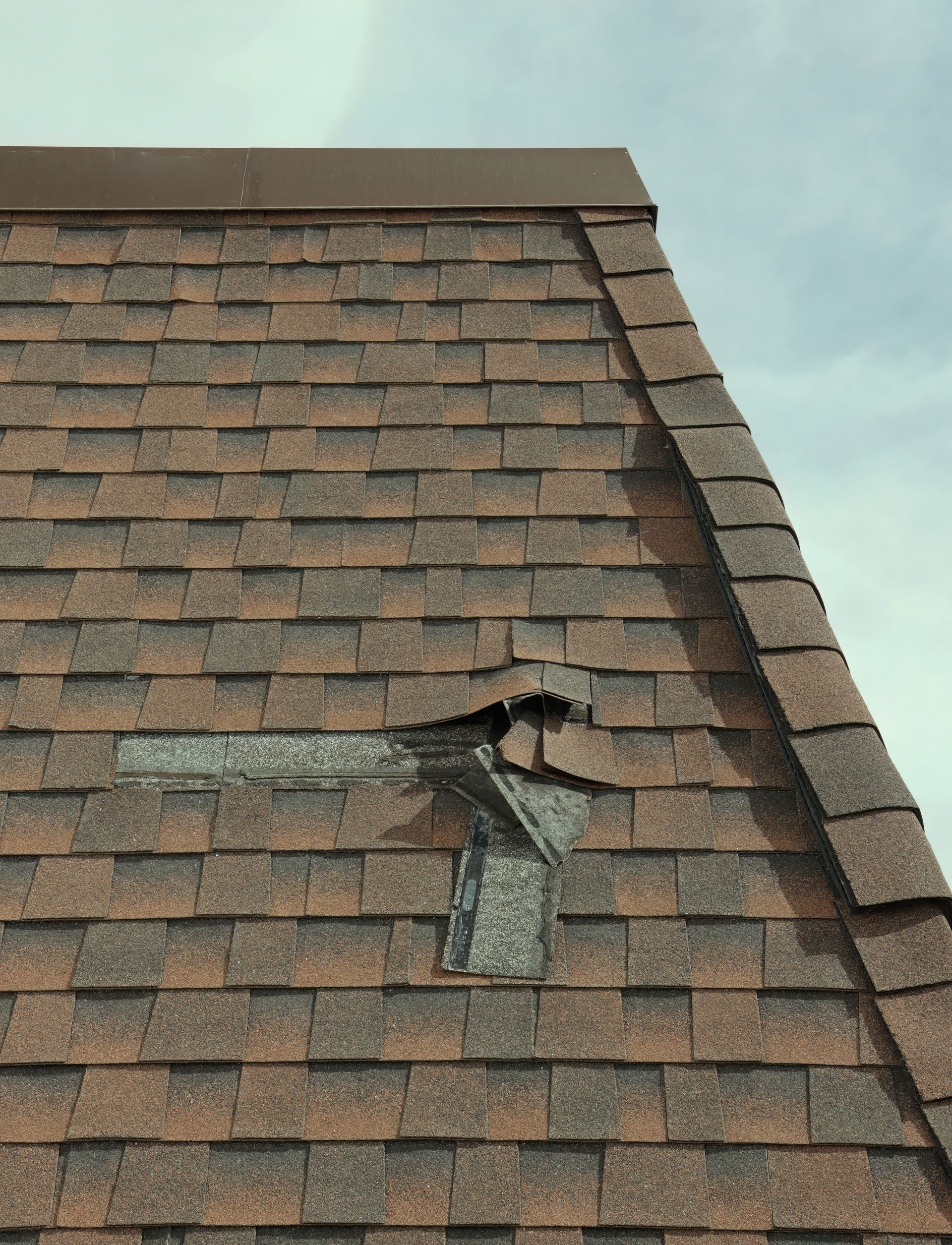
How Roof Repair Addresses Leak Sources
Flashing repairs require removing the surrounding shingles, installing new step flashing or counter flashing, and integrating it with the existing roofing material so water channels away from the penetration. Vent boot replacements involve cutting out the old rubber or plastic collar that has cracked from UV exposure and installing a new seal that remains flexible through temperature swings. Preventative maintenance solutions include applying sealant to exposed nail heads and replacing shingles that show early signs of curling or granule loss before they fail completely.
After repairs are finished, ceiling stains stop spreading, attic insulation stays dry, and no dripping occurs during rain or snowmelt events. Missing shingles are replaced with materials that match the existing roof color and style, though exact matches become harder as roofing products change over time. Wind damage repairs focus on re-securing lifted shingles and replacing any where the sealant strip has torn away from the underlying course.
The difference between repair and replacement depends on how much of the roof shows damage and whether the decking beneath has begun to deteriorate. Isolated leaks around a chimney may only require flashing work, while widespread shingle failure across multiple roof planes indicates that full replacement will prove more cost-effective than patching individual sections repeatedly.
Common Questions About This Service
Property owners in Hamilton often ask about timing, cost factors, and how to tell whether a roof needs repair or full replacement.
How quickly can storm damage be repaired?
Response times depend on weather conditions and the extent of damage, but temporary tarping can prevent further water intrusion until permanent repairs are completed.
What causes flashing to fail around chimneys?
Thermal expansion and contraction cycles, combined with UV exposure, cause sealants to crack and metal flashing to separate from the roofline, creating gaps where water enters.
Why do leaks appear far from the actual roof damage?
Water travels along rafters and underlayment before dripping through the ceiling, so the visible stain inside may be several feet away from where moisture first penetrated the roof surface.
When does repair make more sense than replacement in the Bitterroot Valley?
If damage is localized to one area and the surrounding shingles still have years of life left based on granule retention and flexibility, targeted repair extends the roof's functional lifespan without the cost of full replacement.
What should I look for during a roof inspection after hail?
Circular dents in metal flashing, shingles with visible bruising or granule loss in a spatter pattern, and cracked vent boots all indicate hail impact that may compromise the roof's waterproofing.
Montana Roof Man provides detailed assessments that distinguish between surface damage and structural issues requiring more extensive work. Contact our team to schedule an evaluation and receive a repair estimate based on your roof's current condition.