
Documentation That Supports Your Claim
Storm Damage Restoration & Insurance Claims in Hamilton for properties facing wind damage, hail impact, or emergency leaks after severe weather
Wind gusts exceeding fifty miles per hour lift shingle edges and tear flashing away from roof penetrations, while hail impacts fracture asphalt granules and crack underlying mat layers in ways that aren't always visible from the ground. Montana Roof Man conducts wind and hail damage inspections throughout the Bitterroot Valley, providing the detailed documentation insurance adjusters require to process claims accurately. Storm damage often appears as missing shingles in isolated areas, dented metal flashing, or bruised spots on asphalt where hail removed protective granules and exposed the substrate to accelerated weathering.
Inspections involve photographing every damaged area from multiple angles, measuring hail impact density per roof section, and documenting pre-existing conditions separately from new storm damage. Insurance claim documentation includes written reports describing damage locations, material types affected, and the specific storm event that caused the damage, paired with photographic evidence that shows the extent and pattern of impact. Emergency tarping services prevent further interior water damage while claim processing moves forward, securing exposed roof sections with anchored tarps that withstand additional weather until permanent repairs begin.
Arrange a storm damage inspection to document roof conditions before filing your insurance claim.
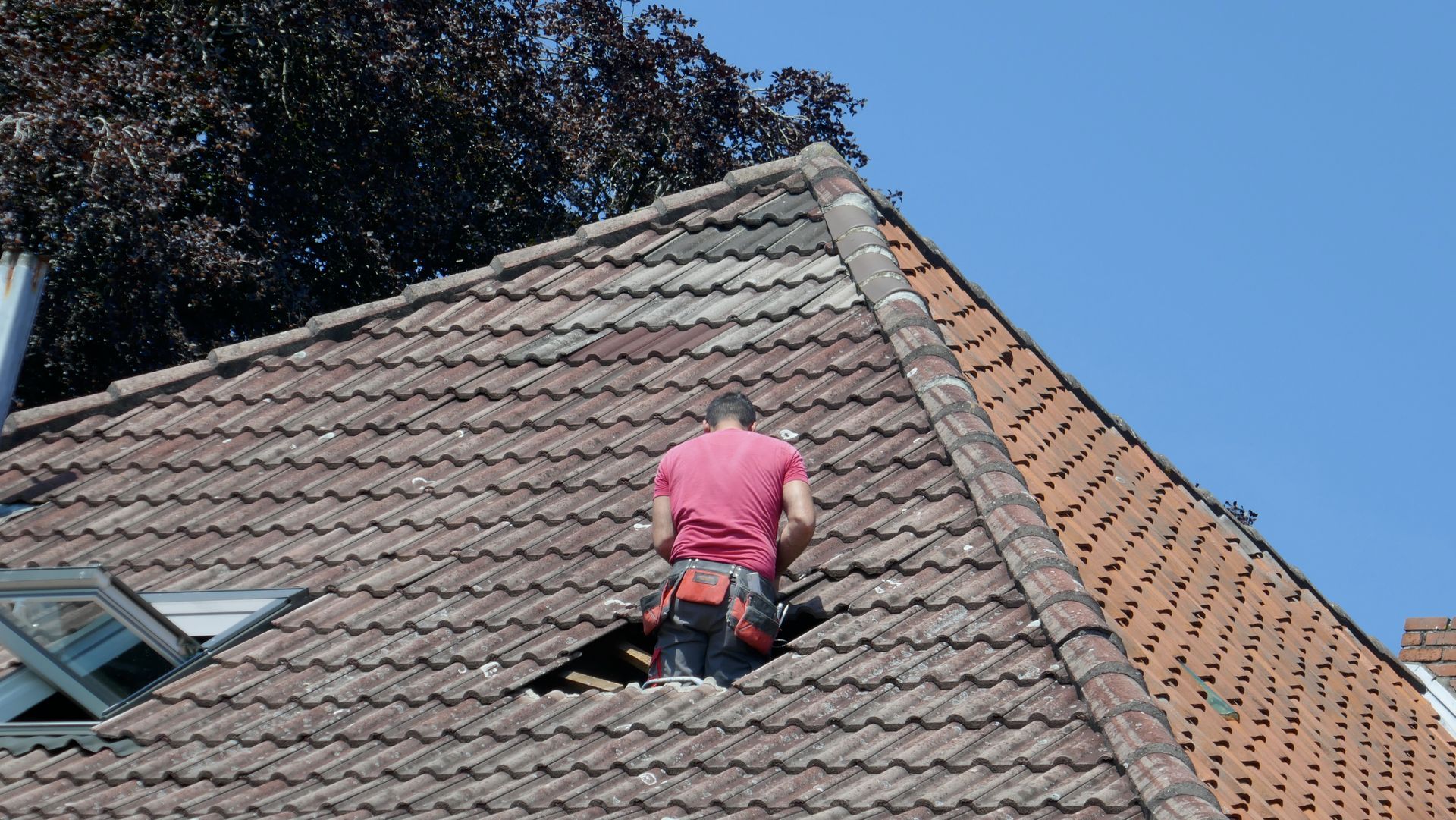
How Storm Damage Assessment Works for Insurance
The assessment process begins by identifying which damage resulted from the recent storm versus normal wear or previous weather events, since insurance coverage applies only to new damage from covered perils. Inspectors measure hail strike density by counting impacts within test squares marked across different roof planes, checking valleys and ridges where hail concentrates, and examining vertical surfaces like siding and vents that show impact angles. Wind damage assessment focuses on shingle seal failure, lifted edges, torn sections, and displaced flashing where wind pressure exceeded the material's rated resistance.
After documentation is complete, you'll have a detailed report that specifies damage locations, quantities of affected materials, and repair scope formatted for insurance adjuster review. Montana Roof Man assists during adjuster meetings by walking the roof with the insurance representative, pointing out documented damage areas, and clarifying repair requirements based on current building codes and manufacturer specifications. The goal is ensuring the claim reflects actual damage extent rather than incomplete assessments that lead to partial repairs.
Full roof restoration services follow claim approval, replacing damaged materials and addressing code upgrades required when repair scope exceeds certain thresholds. Restoration includes disposing of damaged roofing, installing new underlayment in affected sections, and matching replacement shingles to existing materials when partial replacement is appropriate, or installing a complete new roof system when damage is widespread enough to warrant total replacement under the insurance settlement.
Answers to Frequent Service Questions
Storm damage claims involve specific steps and timelines that affect how quickly repairs can proceed after severe weather hits the Bitterroot Valley.
What happens if I delay reporting storm damage to my insurance company?
Most policies require prompt notification after a loss, and waiting weeks or months to report damage can result in claim denial, particularly if additional storms occur in the interim and the adjuster cannot determine which event caused the damage you're reporting.
How does hail size affect whether insurance will cover roof replacement?
Insurance adjusters evaluate impact density and depth rather than hail diameter alone, looking for concentrated strike patterns that compromised shingle integrity, with test squares showing eight or more impacts per section typically indicating functional damage even when individual strikes appear minor.
Why does emergency tarping matter for insurance claims?
Tarping damaged roof sections immediately after a storm demonstrates you took reasonable steps to prevent further damage, which most policies require as a condition of coverage, and failing to protect the interior from ongoing water intrusion can lead to denial of subsequent water damage claims.
What documentation should I collect before the adjuster arrives?
Photograph visible damage from ground level if safe to do so, note the date and time of the storm event, save weather reports showing hail size and wind speeds for Hamilton during that period, and document any interior water damage with photos showing ceiling stains or wet insulation.
When should full roof restoration happen instead of spot repairs?
Restoration makes sense when damage affects more than thirty percent of the roof surface, when matching replacement shingles to discontinued products proves impossible, or when the existing roof was near the end of its service life and storm damage accelerated failure across multiple areas rather than isolated sections.
Montana Roof Man coordinates with your insurance company from initial documentation through final restoration, handling adjuster communication and ensuring repairs meet both policy requirements and building codes. Contact our office to schedule a damage inspection and begin the claim documentation process for your property.