Reports That Close Real Estate Transactions
Roof Inspections & Real Estate Roof Certifications in Hamilton for home buyers, sellers preparing listings, and commercial property transactions requiring condition verification
Real estate transactions stall when roof condition remains uncertain, and buyers request price reductions based on vague concerns rather than documented defects. Montana Roof Man performs home buyer roof inspections, seller pre-listing inspections, and commercial property inspections across the Bitterroot Valley, delivering detailed reports that quantify remaining roof life and identify specific repair needs with cost estimates. The inspection process reveals whether the roof will perform through the typical warranty period lenders expect or whether replacement should factor into purchase negotiations.
Inspections examine shingle condition by checking granule loss, seal integrity, and curling patterns that indicate aging, while also evaluating flashing around chimneys and vents, underlayment exposure in valleys, and ventilation adequacy that affects attic temperature and moisture levels. Insurance inspections focus on conditions that affect insurability, such as worn shingles that increase leak risk, damaged flashing that allows water intrusion, or structural issues like sagging decking that suggest underlying problems. Each inspection produces a written report documenting findings with photographs and a roof lifespan evaluation based on current condition and material type.
Request a pre-listing inspection to address roof concerns before your property enters the market.
What Changes After a Professional Roof Inspection
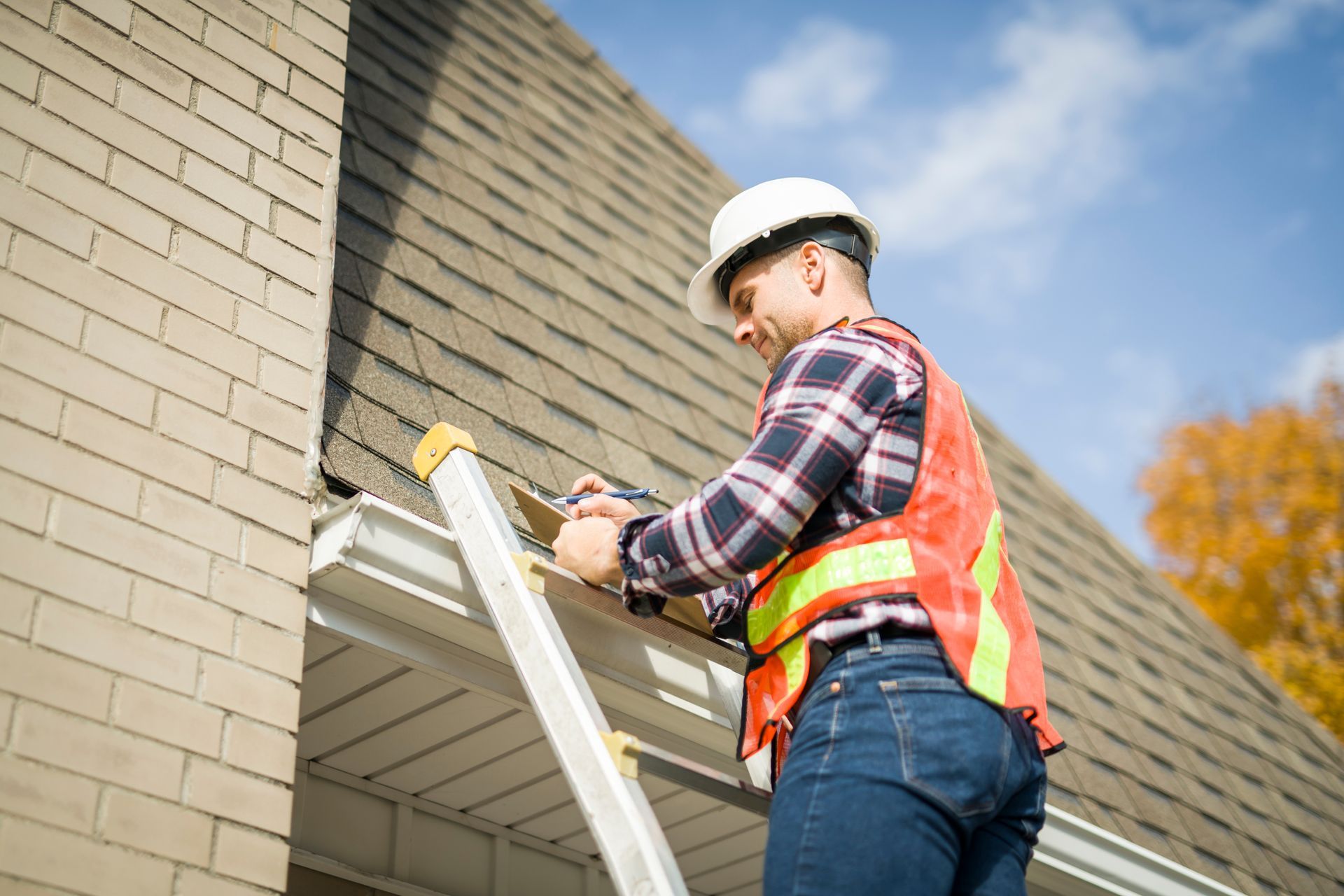
The inspection clarifies exactly what condition the roof is in rather than relying on age alone to estimate remaining life. Inspectors walk every roof plane, checking for soft spots that indicate decking rot, examining seals around roof penetrations where leaks commonly start, and testing attic ventilation flow that affects shingle temperature and longevity. Detailed inspection reports separate cosmetic wear from functional defects, listing minor issues that need monitoring versus immediate repairs that affect weather resistance or structural integrity.
Once the report is complete, you'll know which repairs to prioritize before listing a property or which items to negotiate during a purchase agreement. Buyers use inspection findings to request seller-funded repairs or price adjustments that reflect documented roof replacement costs, while sellers benefit from addressing small problems before they derail negotiations or trigger buyer requests for disproportionate concessions. The report also estimates remaining roof life based on current wear patterns, helping both parties understand whether the roof will last five years or fifteen given current conditions and local weather exposure.
Commercial property inspections include roof area measurements, drainage system evaluations, and load capacity assessments for properties where rooftop equipment or snow accumulation creates structural demands beyond residential standards. These inspections often feed into due diligence periods where buyers evaluate capital expenditure forecasts and factor roof replacement timing into investment models.
Common Questions About This Service
Property buyers and sellers rely on inspection reports to make informed decisions about roof condition and repair priorities during real estate transactions in Hamilton.
What does a roof lifespan evaluation include?
The evaluation considers the roof's installation date, shingle type and manufacturer rating, current wear indicators like granule loss or seal failure, exposure to Hamilton's freeze-thaw cycles and UV intensity, and maintenance history, then estimates how many additional years the roof should perform based on observed deterioration rate.
How does a seller pre-listing inspection help avoid deal problems?
Identifying and repairing minor issues before listing prevents buyers from discovering multiple defects during their inspection and requesting broad repairs or significant price reductions, and a recent clean inspection report reassures buyers that the roof has been professionally evaluated and maintained.
Why do lenders require roof certifications for some transactions?
Lenders want confirmation that the roof will protect their collateral throughout the loan's early years, particularly for properties with older roofs or visible wear, and a certification stating the roof has a minimum remaining lifespan reduces the lender's risk of financing a property that needs immediate major repairs.
What's the difference between a home inspection roof review and a dedicated roof inspection?
General home inspectors view the roof from ground level or briefly walk accessible sections, noting obvious problems but lacking the roofing-specific expertise to evaluate shingle seal integrity, flashing installation quality, or ventilation adequacy, while dedicated roof inspections involve detailed examination of all roof components with specialist knowledge of failure patterns and remaining life indicators.
When should commercial property inspections happen during a transaction?
Inspections fit best during the due diligence period after the purchase agreement is signed but before contingencies expire, giving the buyer time to review findings, request repairs or price adjustments, and factor roof replacement costs into their investment analysis if the inspection reveals limited remaining life.
Montana Roof Man provides inspection reports formatted for real estate transactions, insurance underwriting, and property condition assessments, with findings documented to support negotiations and financing decisions. Schedule a property inspection to receive a detailed condition report and lifespan evaluation for your roof.